
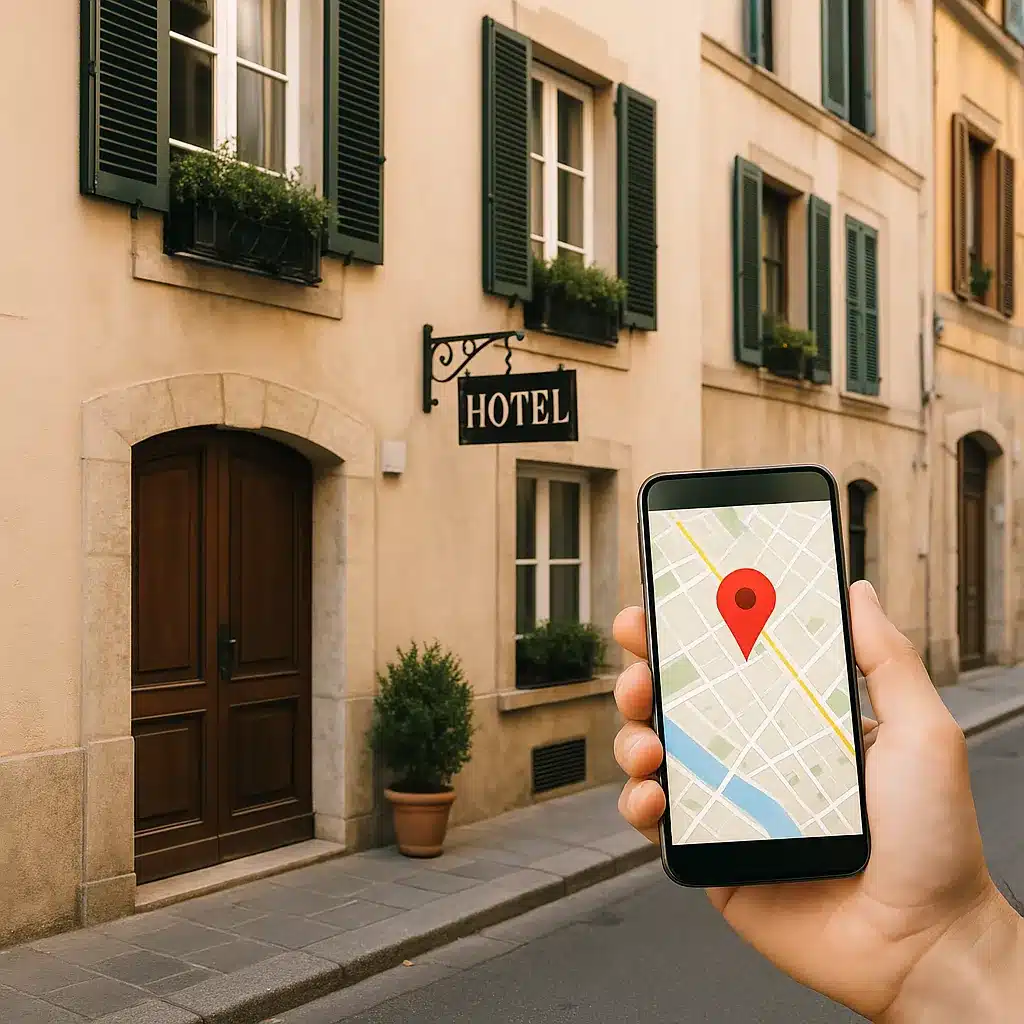
In the increasingly competitive hospitality industry, boutique hotels face the unique challenge of standing out against major hotel chains and platforms like Airbnb. While offering charm, exclusivity, and personalized service, boutique hotels often lack the massive marketing budgets of larger brands. That’s where local SEO (Search Engine Optimization) becomes a powerful, cost-effective weapon in your digital marketing arsenal.
Local SEO helps your hotel appear in search results when potential guests look for accommodations near your area. Whether someone is searching for “charming hotel in Savannah” or “boutique stay near downtown Nashville,” implementing a smart local SEO strategy can increase your visibility, boost bookings, and turn online browsers into loyal guests. Let’s dive into how you can master local SEO to grow your boutique hotel business.
Why Local SEO Matters for Boutique Hotels
Local SEO isn’t just about being found—it’s about being chosen. Travelers today turn to Google to plan their stays, looking for unique, well-reviewed, and conveniently located hotels. If your boutique hotel doesn’t show up in those local results, you’re missing a significant stream of traffic and revenue.
Here’s why this strategy is essential:
- Google is the new travel agent. Over 90% of travelers begin their journey with a search engine.
- Mobile searches dominate. “Near me” and location-specific queries have skyrocketed, especially on mobile.
- Google Maps and the Local Pack (the top three listings in local results) influence most user decisions before they even reach your website.
By optimizing your presence online for local searches, you’re putting your boutique hotel in front of travelers right when they’re ready to book.
Start With Your Google Business Profile
One of the most crucial first steps is claiming and optimizing your Google Business Profile (GBP). This free tool allows your hotel to appear in local map searches and Google’s Local Pack. Here’s how to make your GBP work for you: Ensure your NAP is accurate. That’s your hotel’s Name, Address, and Phone number. Add high-quality images of your property, rooms, amenities, and nearby attractions.
Write a compelling description that includes your unique selling points and relevant keywords like “pet-friendly boutique hotel” or “romantic stay in Charleston.” Encourage reviews from satisfied guests and respond to them promptly to build trust and engagement. Your Google Business Profile acts as your digital storefront, often being the first impression a traveler has of your brand.
Optimize Your Website for Local Search
Your hotel’s website should be optimized for both search engines and potential guests. A slow, poorly designed website can hurt your rankings and drive visitors away.
Start with the basics:
- Include local keywords naturally in your page titles, meta descriptions, and content. Examples: “Boutique hotel in Asheville,” “Downtown Chicago luxury stay,” or “Oceanview hotel in Santa Barbara.”
- Add location-specific landing pages if you operate in multiple areas or want to target different neighborhoods or attractions.
- Create a mobile-friendly design that loads quickly and offers easy navigation.
- Embed a Google Map with your hotel’s location to signal relevance to search engines and help users find you.
A well-optimized website increases your chances of ranking locally while also converting clicks into bookings.
Create Locally Focused Content
Search engines love fresh, useful content—and so do travelers. Blogging about local events, guides, and experiences not only helps with SEO but positions your boutique hotel as an expert in the area.
You can write content around topics like:
- “Top 5 Romantic Restaurants Near [Your Hotel]”
- “Weekend Itinerary for a Cozy Stay in [Your City]”
- “Local Events This Season in [Your Location]”
Be sure to naturally include long-tail keywords like “best boutique hotel near [attraction]” or “places to stay in [neighborhood name].”
This type of content helps drive organic traffic and builds relationships with potential guests long before they book.
Leverage Local Citations and Directories
Local citations are online mentions of your hotel’s name, address, and phone number. These listings in directories and travel sites help search engines verify your business location and improve your authority.
Make sure your hotel is listed (with consistent information) on platforms like:
- TripAdvisor
- Yelp
- com
- Expedia
- Trivago
- Local chamber of commerce or tourism websites
Consistency is key. If your name, address, or phone number is different across listings, it can confuse search engines and hurt your rankings.
Get More Local Reviews (And Use Them Wisely)
Reviews not only impact your reputation—they play a direct role in your local SEO performance. Positive reviews increase your chances of ranking higher in local search results and influence booking decisions.
Ask your guests to leave reviews by:
- Sending a follow-up email after check-out
- Including QR codes on room materials
- Offering a small thank-you gesture (like a free coffee) for their feedback
Respond to both positive and negative reviews professionally. This shows that you value guest feedback and are committed to improvement.
Google uses review quantity, frequency, and responses as local ranking signals, so stay engaged with your reviewers.
Use Structured Data Markup
Implementing local business schema markup on your website allows search engines to better understand your business. This code gives Google specific details about your location, amenities, hours, and services.
Benefits include: enhanced visibility in rich snippets, better display in local search results, and increased likelihood of being featured in the Local Pack.
You can use tools like Google’s Structured Data Markup Helper or hire a developer to implement this for you. It’s a technical advantage that many boutique hotels overlook—but it can make a big difference
Build Local Backlinks from Trusted Sources
Links from other websites to yours signal trust and authority to search engines. When those links come from locally relevant sources, they have even more power to boost your local rankings.
You can earn backlinks by:
- Partnering with local businesses, wedding venues, or event organizers
- Hosting community events or workshops
- Getting featured in local blogs or news outlets
- Writing guest posts for tourism or travel websites
The more local connections you build, both offline and online, the stronger your local SEO becomes.
Engage With Local Social Media and Influencers
Social media doesn’t directly impact SEO rankings, but it influences visibility, brand awareness, and engagement. Boutique hotels should maintain an active presence on platforms like Instagram, Facebook, and Pinterest.
Post location-tagged photos and stories. Use local hashtags like #YourCityHotels or #StaySmallTravelLocal. Collaborate with local travel influencers for authentic exposure.
When people engage with your hotel online, they’re more likely to search for you—and book with you—later
Track, Analyze, and Adjust
Finally, local SEO is not a one-and-done strategy. You must continuously monitor what’s working and what’s not. Use tools like:
- Google Analytics to track site traffic and conversions
- Google Search Console to identify keyword rankings and technical issues
- Google Business Profile Insights to measure map views, direction requests, and calls
Adjust your keywords, content, and strategies based on real-time data. This helps you stay ahead of the competition and ensure your boutique hotel always appears when it matters most.
Embrace Local SEO as a Long-Term Investment
For boutique hotels, local SEO isn’t just a marketing trend—it’s a long-term growth strategy. While you may not have the massive advertising budgets of major hotel chains, you have what modern travelers want: authenticity, charm, and a personalized experience.